Blog Post
Inclusive Teaching, Teacher Support
Building Trust-Wide Clarity Around Learner Needs
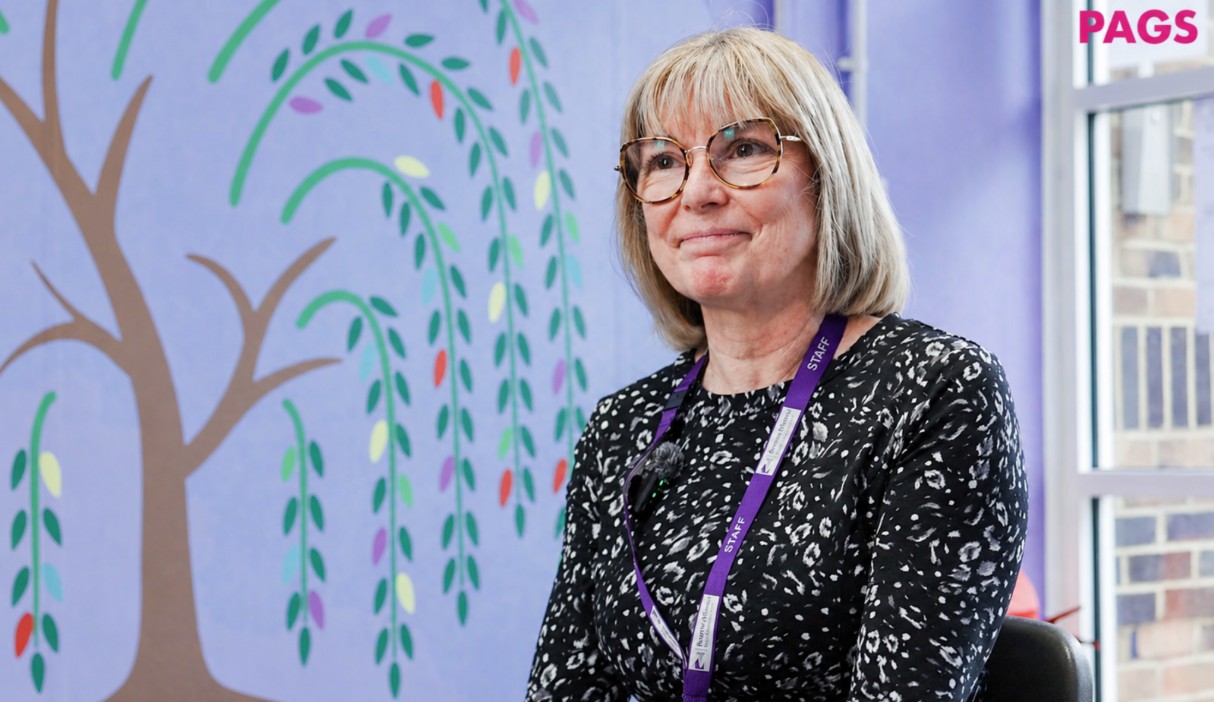
What does it take for a trust to understand learner need across every classroom - not just in reports, but in day-to-day practice? Linda Stephens, Trust Director of Ascendum Safeguarding at ALET, shares 5 considerations that build trust-wide clarity around learner needs.
5 Considerations for Schools and Trusts When Choosing a Student Support System
Schools today are working under increasing pressure, and many are looking for better ways to understand and support the learners they serve. A common challenge is emerging across the sector: How do we truly understand what our learners need - particularly those with special educational needs - when information is scattered across different systems, resources are limited, and staff are already stretched?
These are challenges many of you know well, so when we recently met with Linda Stephens from Activate Learning Education Trust (ALET), alongside colleagues from IRIS Education, our conversation quickly shifted to the realities schools and trusts are facing today - and the shift in thinking that is starting to make a real difference.
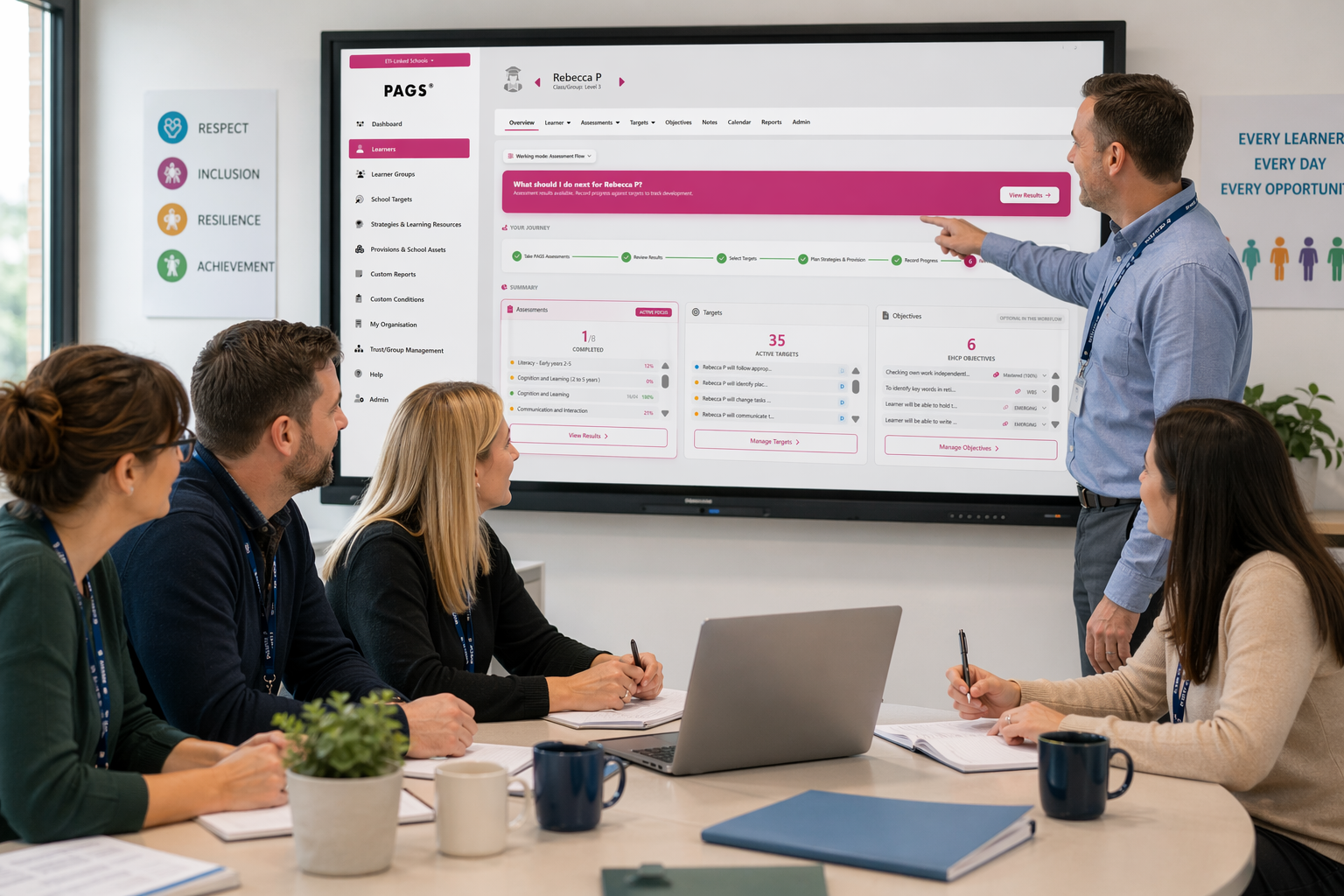
As Linda described ALET’s journey, several themes emerged that highlight what schools and trusts should look for when choosing or redesigning systems to better support their learners. In ALET’s case, many of these changes began to take shape as they introduced PAGS across their schools, giving staff a clearer and more consistent way to understand learner needs.
We’ve brought these insights together into 5 practical considerations.
1. Start with clarity: A system should help identify needs, not just record them
Many schools and trusts find themselves working incredibly hard to support learners - but without the clarity needed to pinpoint where the real barriers lie.
ALET recognised this challenge across their schools.
“We know our students come to us with learning challenges, social and emotional needs, or sometimes with no diagnosis at all,” Linda explained. “But identifying exactly what those needs are, and how to address them, was a real challenge.”
Staff were using different tools for assessment and tracking, which made it difficult to build a trust-wide view. As a result:
- needs were inconsistently identified
- information was duplicated or lost
- and SEND teams often became the sole holders of crucial knowledge
Takeaway for leaders:
Choose systems and processes that support identification first. Recording comes second.
A platform should offer insight, not just storage.
2. Look for consistency across schools
ALET’s schools were using a mix of tools and approaches. This meant each school had its own way of identifying needs, interpreting behaviours, and planning interventions.
This inconsistency made it difficult to:
- compare patterns across schools
- see emerging trends
- identify training priorities
- or standardise good practice
When reviewing their systems, the trust realised they needed something consistent and accessible for all.
“We needed something that tells us what we need to do, not just what we’re already doing,” Linda said.
Takeaway for leaders:
Consistency strengthens professional judgment.
Look for tools that promote a shared language and structure across schools.
3. Ensure your systems talk to each other
One of ALET’s frustrations was that important information lived across different systems - MIS, spreadsheets, documents, and one-off assessments.
This meant:
- staff spent time searching instead of supporting
- patterns were easy to miss
- and leadership teams struggled to get accurate oversight
When exploring options, the trust prioritised systems that could integrate with their MIS (Ed:gen in this case) and reduce duplication.
Takeaway for leaders:
Integration is not a “nice to have.” It’s the difference between:
- endless admin
- informed decision-making.
Choose platforms that remove friction, not add to it.
4. Support classroom teachers, not just SEND teams
ALET noticed that vital learner information often remained within the SENDCo’s remit, meaning classroom teachers had limited visibility.
A shift began when teachers were able to access learner profiles and strategies directly.
“The knowledge about the students has now come out of the SENDCo,” Linda shared. “Teachers can use the tools day-to-day. We are seeing more collaboration and less siloed working.”
This shift:
- reduced pressure on SEND teams
- empowered teachers
- and helped learners receive more consistent support
Takeaway for leaders:
Systems should democratise learner information.
If support plans and insights aren’t easy for teachers to access and use, the system isn’t doing its job.
5. Think beyond SEND: Every learner benefits from being understood
One of the most striking insights from ALET was their long-term ambition:
Every student - not just those on the SEND register - should have a learner profile.
This reflects a wider movement in the sector: recognising that all learners have strengths, gaps, and preferences that shape how they engage.
Linda put it simply:
“We want to know our students. Every child deserves a profile that helps us identify what support or stretch they need to flourish.”
Moving toward universal profiling helps trusts:
- reduce stigma around SEND
- personalise teaching
- identify emerging needs early
- and create a greater sense of belonging
Takeaway for leaders:
Don’t wait for a diagnosis to understand a child.
Adopt tools and practices that benefit all learners.
ALET’s journey shows what becomes possible when systems, people, and purpose connect
Throughout this journey, ALET highlighted the importance of having the right partners. Working closely with IRIS Education and PAGS gave the trust a shared space to explore challenges, shape future developments, and think ambitiously about what learner support could become.
“You asked us to think big,” Linda said. “That started dynamic conversations in our schools about what we want this to look like long-term.”
This mindset - collaborative, reflective, ambitious - is what enables meaningful change at trust level.
Watch the Full Interview
Hear the full discussion with Linda Stephens, Felicia Gibson and Stephen Blackbeard as they talk through challenges, lessons learned, and next steps here.
Final Thoughts for School and Trust Leaders
If your school, trust, or MAT is exploring how to build a clearer picture of learner needs, improve consistency, or strengthen collaboration across teams, ALET’s experience offers valuable insights into what to look for - and what’s possible with the right systems in place.
To learn more or discuss how PAGS can support you:
🌐 Visit https://www.pagsprofile.com/
📩 Contact a team member here
About PAGS
For readers unfamiliar with our SEN management platform, PAGS provides validated assessments, learner profiles and tools that support strategic planning, everyday teaching and wider SEN processes. By bringing assessment, provision mapping, progress tracking and reporting into one place, PAGS helps SENCOs, school leaders and trusts make informed decisions while reducing administrative workload.