A simpler way to meet the December Inclusion Deadline - with full assessment, IEPs and EHCP evidence in one place
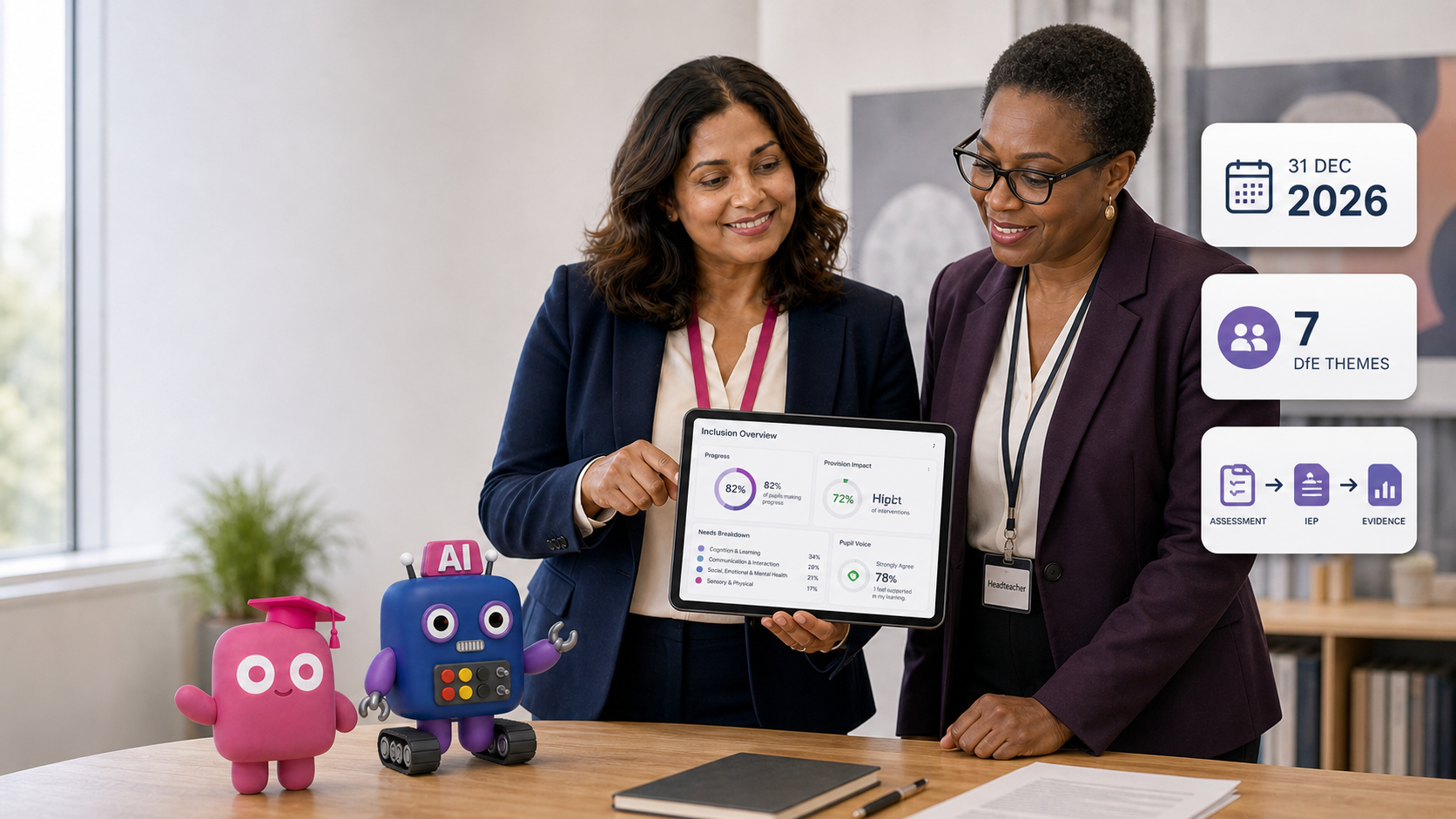
One platform across all 7 DfE inclusion themes. Assess, plan, track and evidence without adding to your SENCo’s workload.
New, ring-fenced funding with a legal deadline attached
Every mainstream school in England now gets dedicated DfE funding for inclusion, and a statutory strategy to publish alongside it.
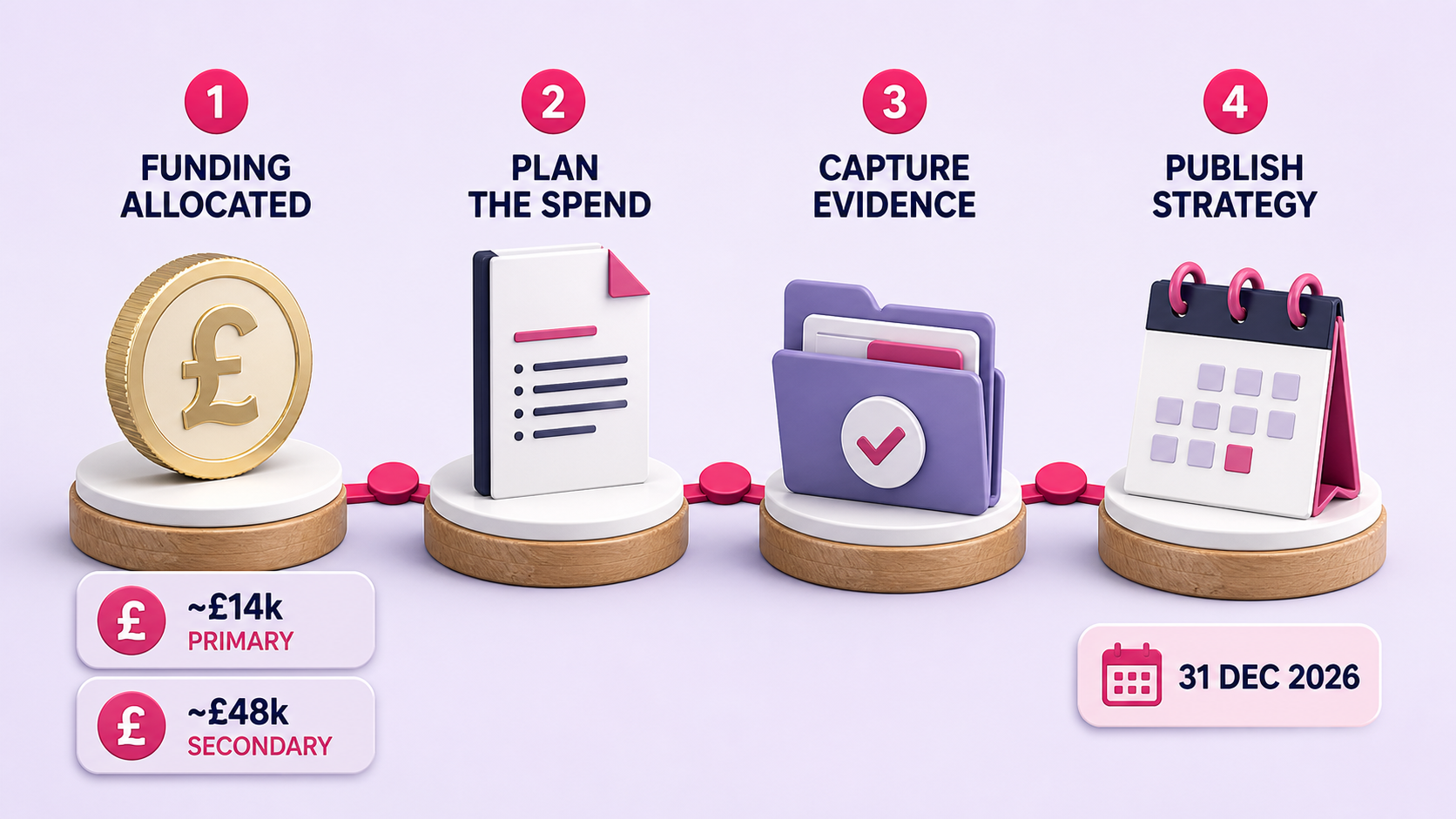
The DfE hasn’t pre-approved specific suppliers: it’s down to your school and SENCO to decide how the funding is spent and evidence that decision.
Skip — just show me my results
imf_landing_page
A full pupil intelligence system, not just a wellbeing programme
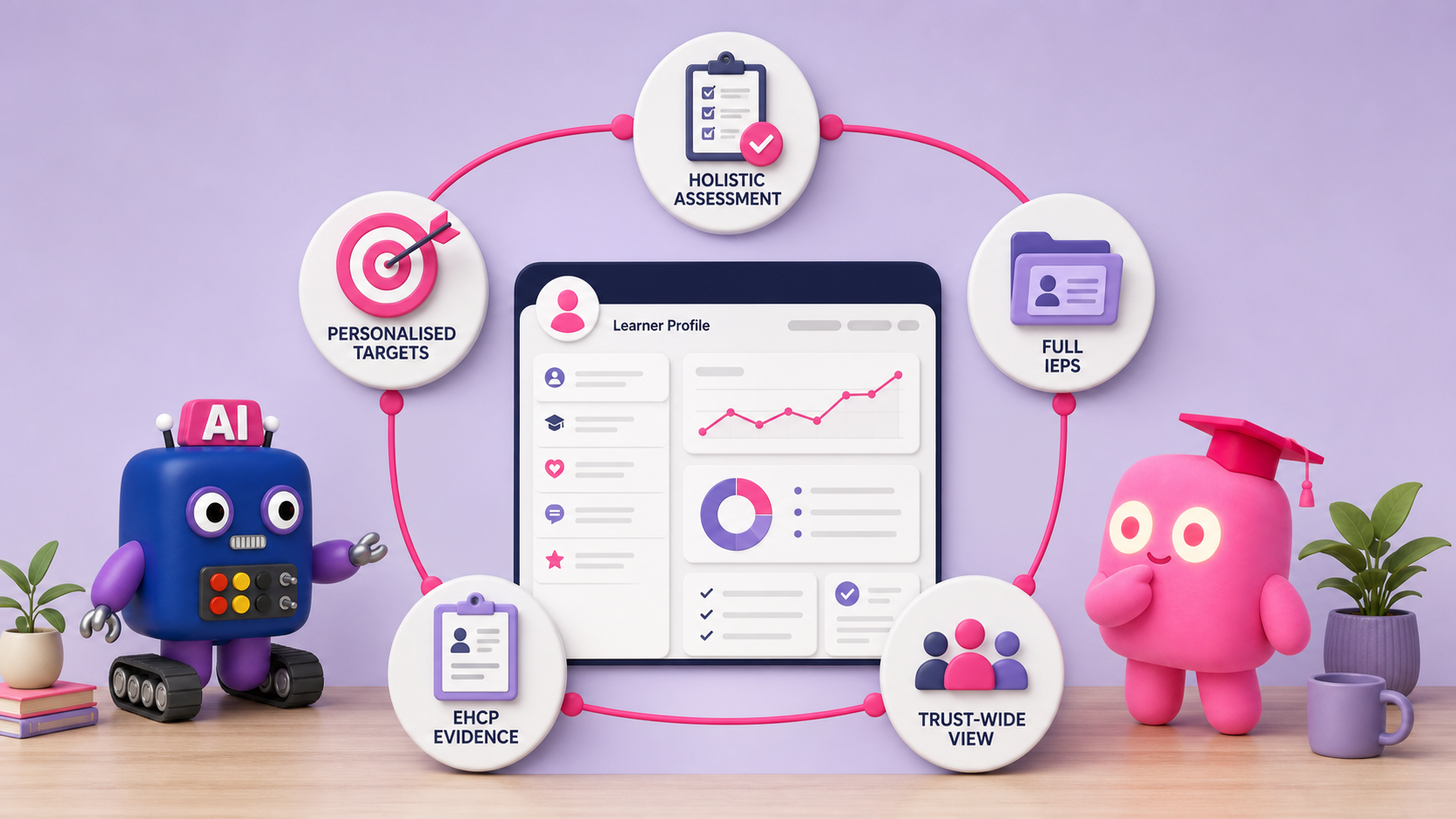
Holistic assessment, personalised targets, full IEPs and EHCP-ready evidence: one connected system, not a set of disconnected tools.
Running a post-16 or specialist setting? PAGS supports assessment, planning and EHCP evidence right through to age 25, not just primary and secondary.
THE DIFFERENCE PAGS MAKES
Before PAGS. After PAGS.
The same SENCO, the same school, a different way of working.

BEFORE PAGS
WITH PAGS
Separate spreadsheets for assessment, targets and evidence
One learner record, updated as you go
Evidence scattered across emails and folders
Evidence captured continuously, ready when you need it
Manual IEP prep from scratch each time
Plans built directly from assessment data
Scramble before reviews and inspections
Review-ready information, any time
Difficult to justify funding spend
Clear provision and impact evidence
What schools are seeing with PAGS
BETT 2025
Winner, Assessment Planning & Progress Monitoring
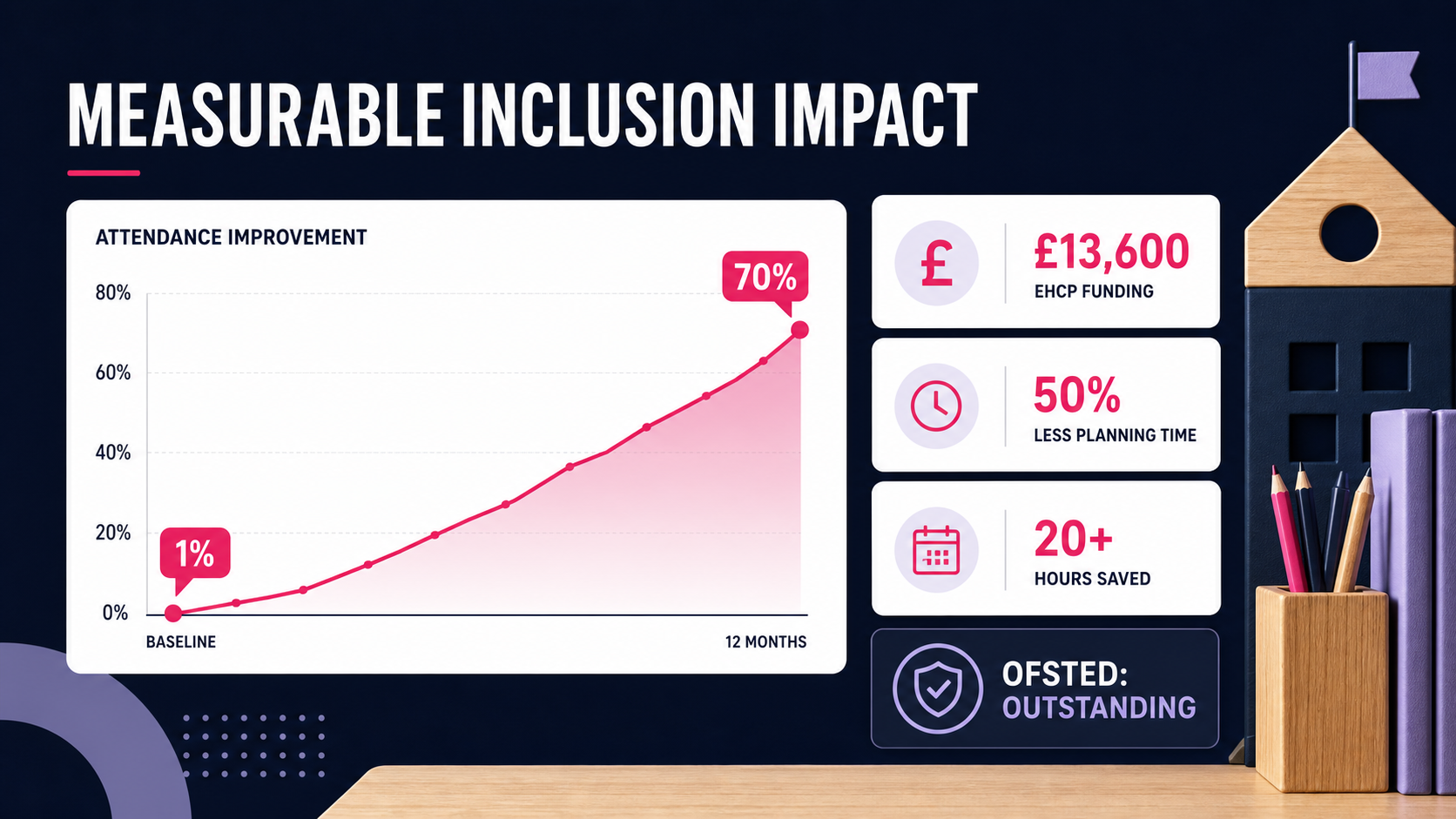
Stone Soup Academy achieved Ofsted Outstanding for the third consecutive time in June 2025. Attendance improved from 1% to 70% for targeted learners. An average of 7 qualifications per student, with the highest achieving 13.
Younes Henini · Principal, Stone Soup Academy
SENCOs, in their own words
“
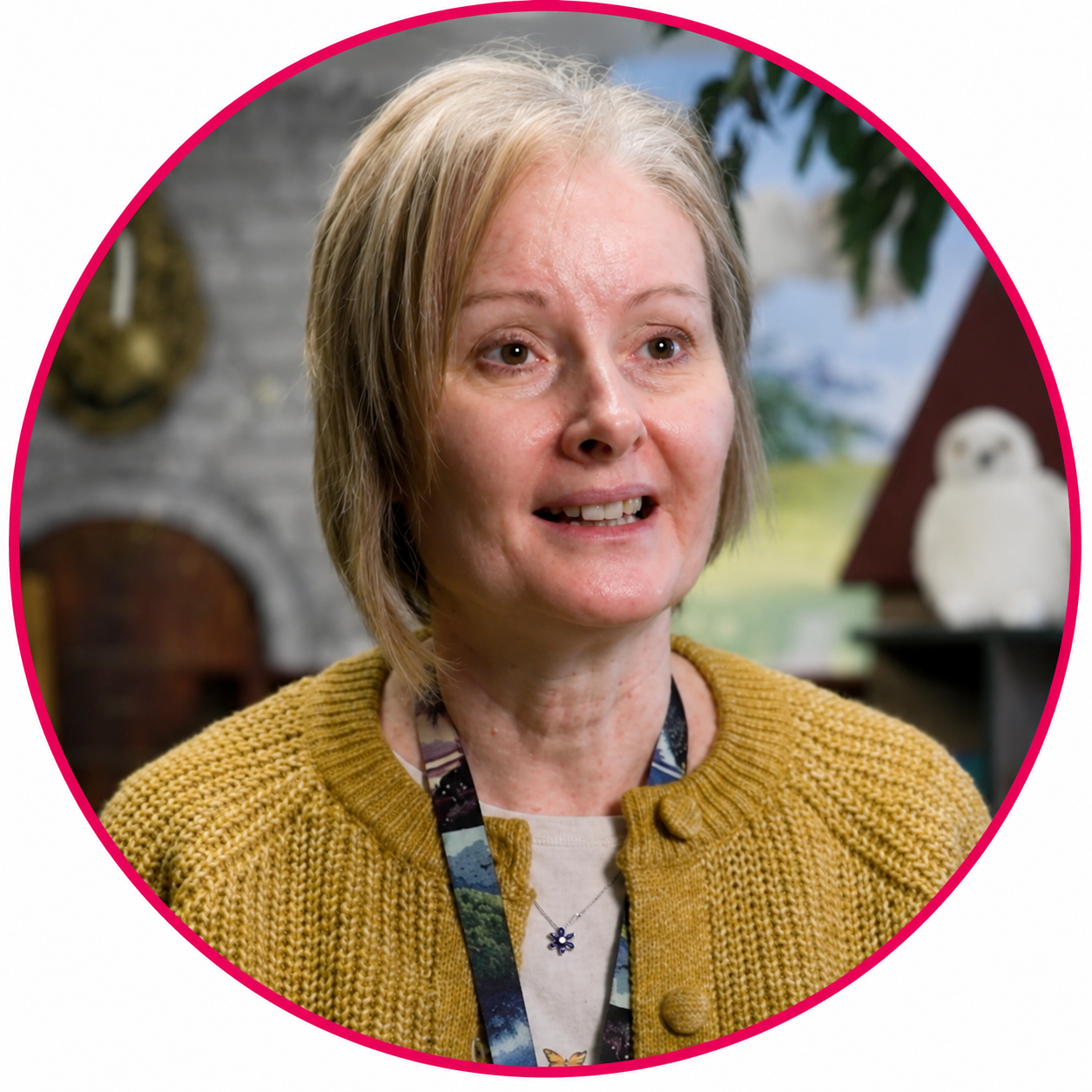
Knowledge is power. PAGS creates a platform where you can gather quite a lot of knowledge, and the tools within the system help you use that knowledge to plan, prepare, and create.
Mandy Harling, SENCo, Grove Park School, Bourne Alliance MAT

“
PAGS has provided me with a more comprehensive overview of my learners and enabled me to draw from different resources. With PAGS I have everything I need all in one place, a dream really!
Rebecca Hale, SENCo, Esteem Valley Academy
Is PAGS eligible for Inclusive Mainstream Fund spending?
Can we spend our IMF allocation on PAGS?
Yes. The DfE requires IMF spend to align with the 7 principles of inclusion, including evidence-based support prioritising early intervention, and explicitly permits spend on technology to support pupils with SEND and to strengthen adaptive teaching. PAGS’s assessment, planning and evidence tools sit directly within that scope. The DfE has not pre-approved a supplier list: the decision and documentation sit with your school’s leadership and SENCO.
See the full breakdown of all 7 themes ↓See the full breakdown of all 7 themes ↓Do we need to justify this spend in our inclusion strategy?
Yes: schools must record how IMF funding is spent and map it against the 7 themes in their published inclusion strategy. PAGS’s reporting tools are designed to make this evidencing straightforward, since assessment and intervention data are already captured in the system.
Does this replace our notional SEND budget?
No. The IMF sits alongside your core budget and notional SEND budget, it’s additional, ring-fenced funding, not a replacement.
What’s the deadline?
Your inclusion strategy must be published by 31 December 2026.
THE 7 DFE INCLUSION THEMES
How PAGS maps to the 7 DfE inclusion themes
A standalone breakdown, so you can tick PAGS off against the exact framework you'll report to governors and Ofsted against.
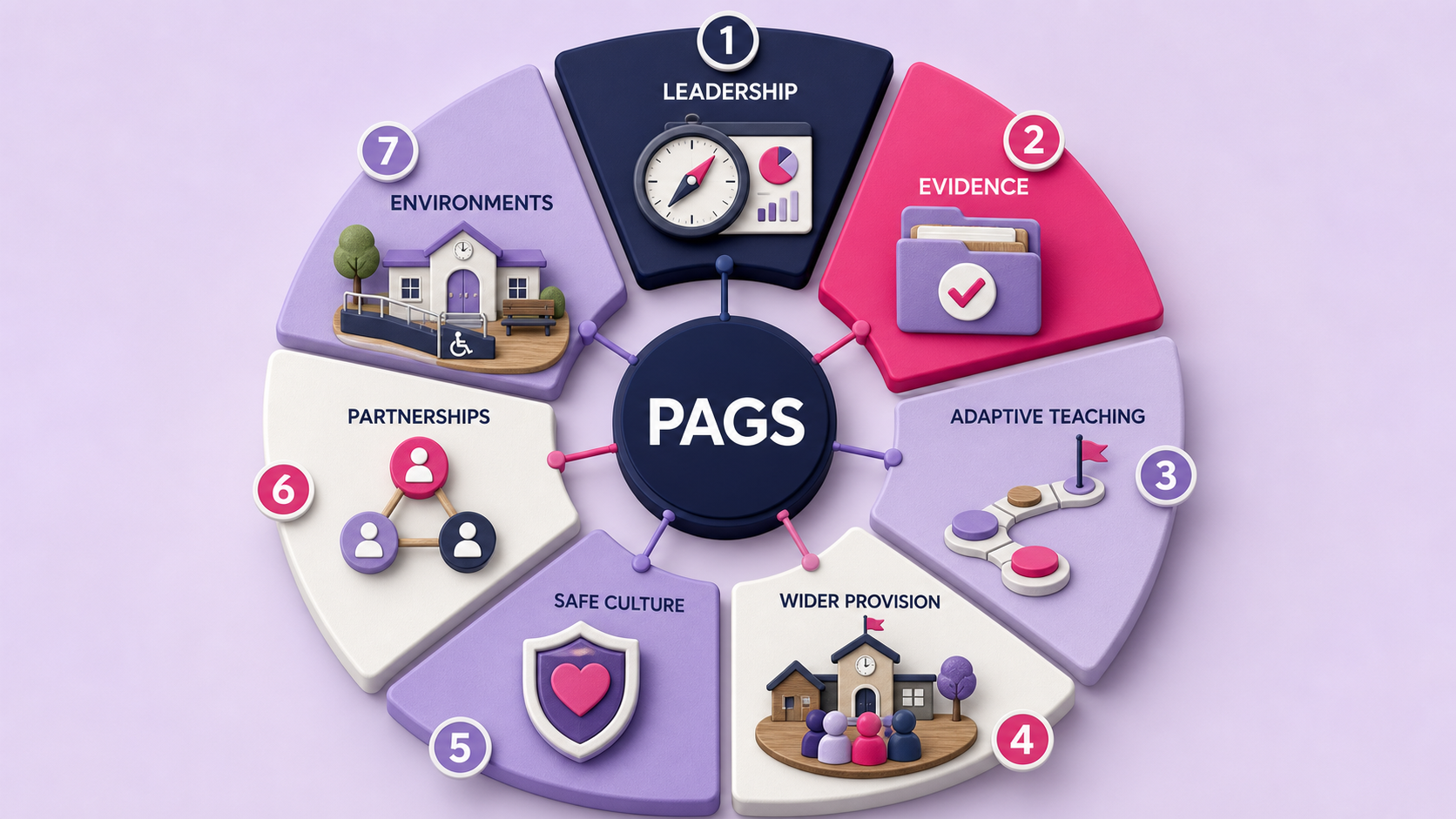
Trust-wide dashboards give leaders and governors one shared view of need and progress across every school.
The 4-area assessment flags need before it escalates, with 600+ evidence-informed strategies matched automatically.
Personalised targets and strategies feed directly into classroom practice, not just SEND files.
A learner's profile and strategies travel with them, so lunchtime staff, club leads and trip supervisors work from the same guidance as the class teacher, not a document that never leaves the SEND file.
The Self-Regulation and Social Interaction & Social Awareness modules identify what drives a learner's behaviour and belonging, turning "difficult behaviour" into an understood, supportable need. Stone Soup Academy's case study shows this translating into measurable attendance gains.
Real-time sharing with parents, teachers and other professionals, plus EHCP-ready evidence that strengthens applications and reviews with the local authority.
The Self-Regulation assessment surfaces a learner's specific sensory and environmental triggers, giving staff concrete evidence for adjustments to the physical and sensory setup around them.
Ready to put your inclusion funding to work?
Book a short, informal call to see how PAGS can help you meet the December deadline, with a stronger evidence base than a wellbeing programme alone.